Summary:
It is completely normal to be unsure of what lies ahead when your dentist says your tooth needs repair.
Dental fillings and dental crowns might sound similar, but they are two distinct but common dental solutions that serve different purposes and offer unique benefits.
We at Cope Dentistry guide our patients every day through all these choices, helping them understand what their smile truly needs. In this article, we will cover topics like
- What Are Dental Fillings?
- What Are Dental Crowns?
- How to Decide: Which One’s Right for You?
Ready to understand your restorative options? Let’s learn more about it in the following sections.
What Are Dental Fillings?
Did you know? According to the American Dental Association, over 90% of adults have had at least one cavity in their lifetime, making dental restorative treatments more common than most people think.
Dental fillings are the go-to option for repairing small cavities or minor tooth damage.
A tooth creates tiny holes when it begins to decay. These holes can even grow and affect the health of your restorative teeth if left untreated early. Thus, a dental filling can help to stop this decay and restore the strength and shape of your tooth.
Materials Used
Dentists use different materials based on your needs, including:
- Composite resin (tooth-colored and natural-looking)
- Amalgam (strong and long-lasting)
- Ceramic or glass ionomer options
How the Process Works at Cope Dentistry
The procedure is largely simple and usually completed in one visit:
- The dentist examines the tooth.
- The decayed part is gently removed.
- The filling material is placed and shaped to fit naturally.
Benefits
- Cost-effective for smaller issues.
- Helps to prevent further decay
- Quick and minimally invasive
Limitations
If the tooth has extensive decay or deeper structural damage, fillings might not be enough. More advanced restorative treatments might be needed in such cases.
What Are Dental Crowns?
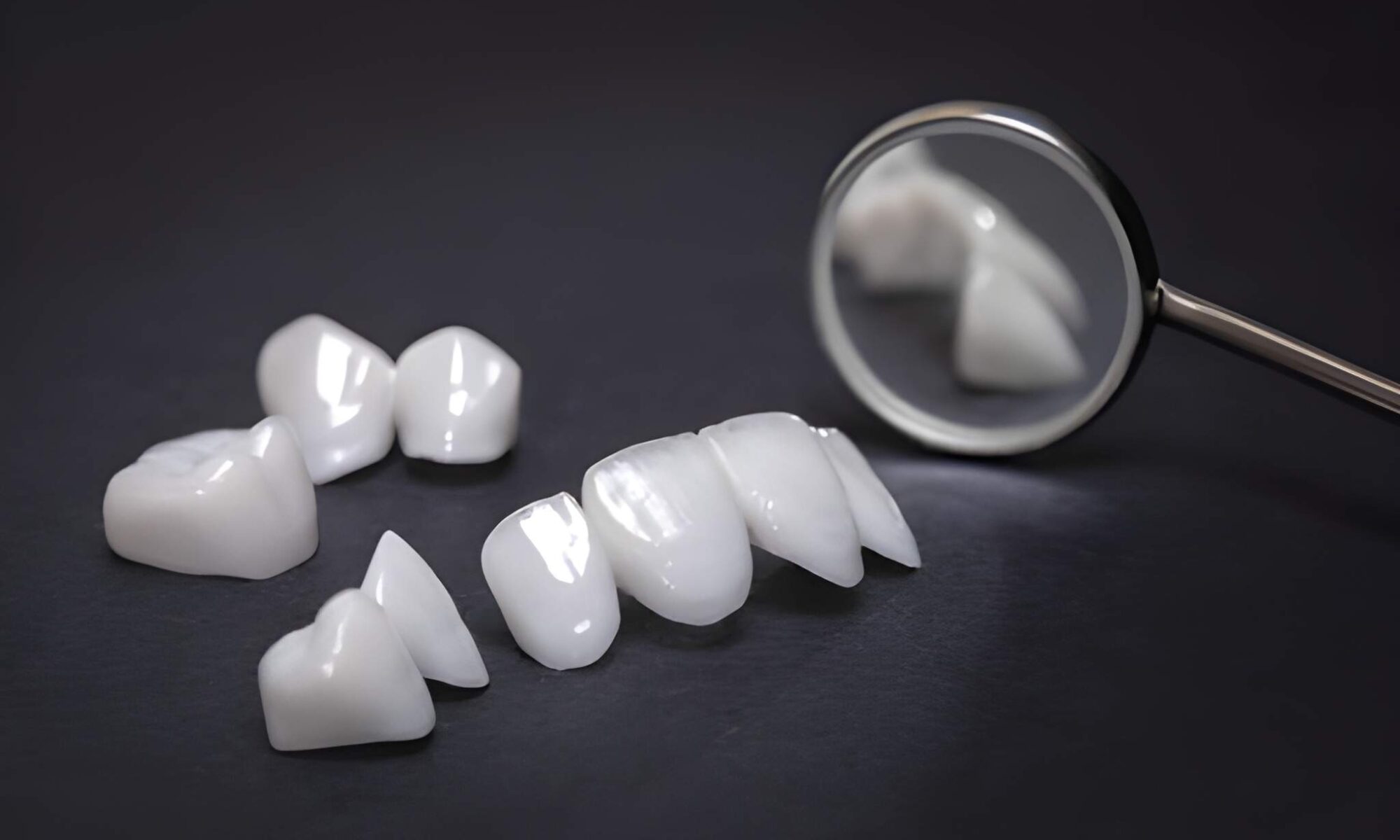
Dental crowns are dental caps that fully cover a damaged or weakened tooth. One of the most common solutions in restorative dentistry is dental crowns, which come up when people search for what restorative dental care is about.
When Are Crowns Needed?
There are several situations in which dentists might recommend crowns, they are:
- When you have a large cavity that can’t be fixed with a regular filling
- To protect a fractured or severely worn-down tooth
- After a root canal, when the tooth becomes weaker
- For cosmetic improvements, such as improving shape or color
- As part of loose teeth treatment, especially when reinforcement is required
Materials Used
The materials with which crowns can be made from porcelain, metal, ceramic, or porcelain-fused-to-metal. Each of these materials offers different levels of strength and natural appearance.
How the Process Works
Once you visit Cope Dentistry, your dentist will:
- Prepare the tooth by reshaping it
- Take impressions for a perfect fit
- Place a temporary crown
- Cement the final custom crown during your next appointment
Pros and Cons
Advantages: Very strong, long-lasting, and protective.
Limitations: they usually require multiple visits, are more invasive than fillings, and slightly costlier.
Key Differences: Fillings vs. Crowns
Both fillings and crowns can restore a damaged tooth, but they work in different ways. Here is a simple, side-by-side look to help you understand the key differences:
Degree of Tooth Damage
- Fillings: Best for small to moderate cavities.
- Crowns: Ideal for larger fractures, deep decay, or weakened teeth.
Tooth Structure Preserved
- Fillings: Remove only the decayed part.
- Crowns: Require more shaping since they cover the entire tooth.
Longevity & Durability
- Fillings: Last several years with good care.
- Crowns: Often last a decade or longer due to stronger materials.
Cost & Time
- Fillings: Less expensive; usually done in one visit.
- Crowns: Higher cost and typically require two visits.
Maintenance & Future Risks
- Fillings: May need replacement if the cavity spreads.
- Crowns: Offer better long-term protection for weak teeth.
How to Decide: Which One’s Right for You?
The process of choosing the right treatment can sometimes feel confusing, but at Cope Dentistry, it is made simple, clear, and comfortable. You can make a confident decision about your smile with your dentist’s guidance.
Step 1: A Complete Examination
Your visit with your dentist usually begins with a gentle examination and a detailed imaging. This stage and detailed examination help the dentist understand clearly how much healthy tooth remains, whether the tooth is stable, and what type of basic restorative dental solution you may need.
Step 2: Understanding Your Needs
You’ll have an open conversation about:
- Your symptoms
- Past dental history
- Any aesthetic concerns
- Your budget and comfort preferences
If you are worried about how to fix a loose tooth or protect a damaged one, this is especially important.
Step 3: Reviewing Options Clearly
Based on your specific case, your dentist will explain the pros and cons of each treatment. This review session focuses on how long each option typically lasts and whether your bite or tooth location affects it.
Frequently Asked Questions (FAQs)
-
How do I know if I need a filling or a crown?
The costs for a filling or a crown depend on your specific condition. You might need a filling only when a small part of your tooth is damaged, but if there is significant damage, your dentist may suggest a crown.
-
Which option is more expensive and why?
Crowns are more costly because they cover the entire tooth. In contrast, fillings are quicker and simpler, and cost-effective.
-
How long does each procedure take?
A filling can usually be done in 1 appointment and takes about 30-60 minutes. However, a crown takes longer because it is custom-made.
Conclusion
Choosing between a filling and a crown doesn’t have to be confusing. Both treatments are highly effective, and it all comes down to the condition of your tooth and which will give you the best long-term result.
You are never to be left guessing at Cope Dentistry. Our team focuses on designing treatment plans with expert evaluation and home recommendations to protect your smile for years to come.
Schedule your appointment, get your questions answered, and take the first step towards a healthier smile.
Takeaway:
- Crowns are dental caps that fully cover a damaged or weakened tooth.
- Crowns are best for larger decay, fractures, or weakened teeth.
- The right choice depends on tooth condition, durability needs, and budget.
- A dentist’s evaluation is key to choosing the most effective long-term solution.
- Filings can stop decay and restore the strength and shape of your tooth.